
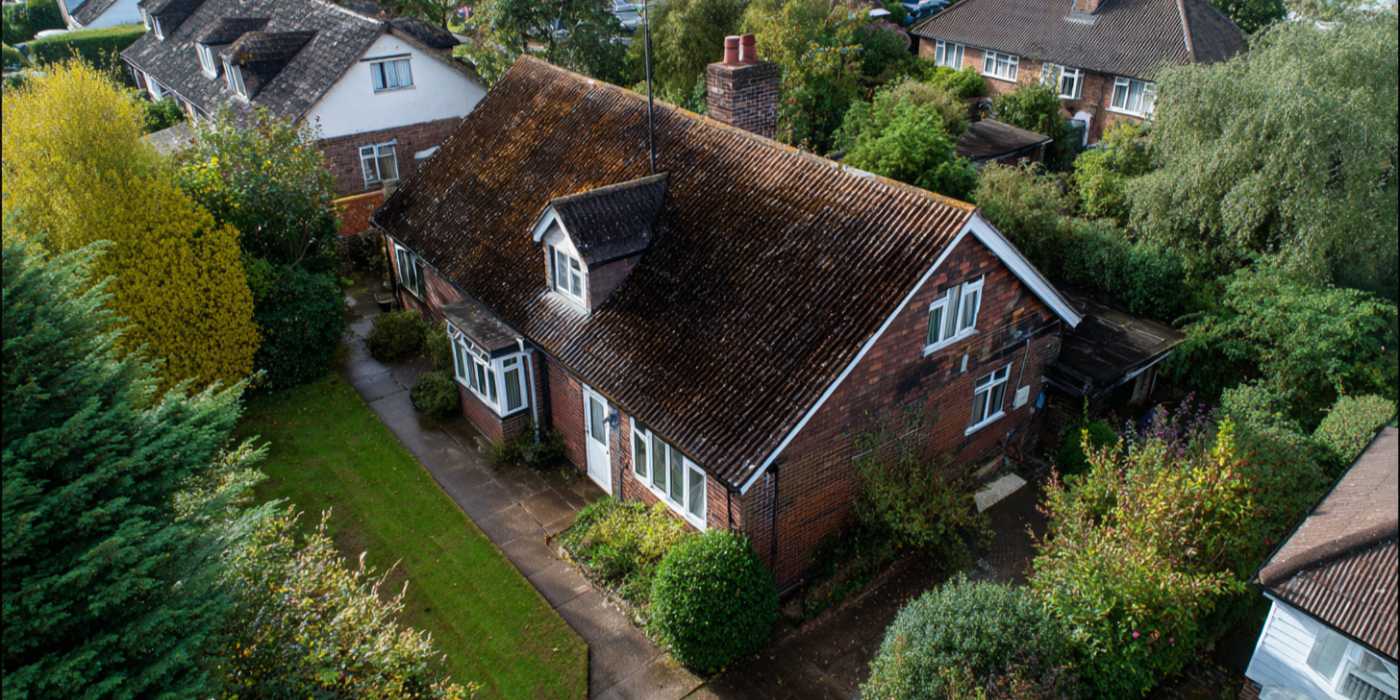
Roof cleaning methods explained is something every homeowner should understand before agreeing to any work on their roof. In Swindon and across Wiltshire, moss, algae staining, and lichen build-up are common, yet many people are unsure which cleaning methods are genuinely safe. Some have heard stories about high-pressure washing damaging tiles, while others believe moss is purely cosmetic. The truth is more detailed than that.
When roof cleaning methods are explained clearly, it becomes easier to see how different approaches affect tile longevity. Understanding how roofs are constructed, how organic growth behaves and why professional cleaners prioritise protection over speed helps homeowners make informed decisions rather than choosing the quickest option.
Why Roof Cleaning Methods Explained Matters for Tile Protection
Roof tiles are designed to shed water efficiently. Whether clay, concrete or slate, each tile overlaps in a precise pattern. Moss growth disrupts this system.
Moss holds moisture against the tile surface. During colder months, retained water increases freeze-thaw stress. Over time, this can contribute to surface pitting on concrete tiles and minor erosion of protective finishes.
When discussing Roof Cleaning Methods Explained, the primary goal is not cosmetic improvement. It is restoring water-shedding performance without compromising tile integrity.
High pressure can strip protective coatings and dislodge tiles. That is why safe roof cleaning methods always begin with assessment rather than machinery.
Manual Roof Scraping for Moss Removal
Manual scraping is often the first stage of professional roof moss removal in Swindon. It involves carefully removing thick moss deposits using specialised tools shaped to match tile profiles.
This method:
- Removes the bulk of visible moss
- Avoids forcing water beneath tiles
- Reduces organic mass before treatment
- Allows close inspection of tile condition
Scraping is controlled and methodical. Unlike pressure washing, it does not rely on force.
Roof Cleaning Methods Explained must include manual scraping because it remains one of the safest and most effective ways to remove heavy moss growth.
Soft Washing as a Roof Cleaning Method
Soft washing is frequently misunderstood. It does not mean weak cleaning. It refers to the low-pressure application of cleaning solutions designed to treat organic contamination at its source.
In the context of Roof Cleaning Methods Explained, soft washing involves:
- Applying a professional-grade biocide solution
- Allowing sufficient dwell time
- Letting the weathering gradually remove the remaining organic staining
Soft washing avoids mechanical stress on tiles. Instead of blasting away contamination, it breaks down algae and lichen biologically.
In Wiltshire’s damp climate, this approach is particularly effective because it targets regrowth rather than just surface debris.
What Biocide Treatments Actually Do
Biocides are professional treatments designed to eliminate organic growth such as moss spores, algae and lichen.
After manual scraping, applying a biocide ensures:
- Residual spores are neutralised
- Regrowth cycles are slowed
- Surface discolouration fades over time
- Moss does not immediately return
Roof Cleaning Methods Explained is incomplete without understanding the importance of biocide treatment. Without it, scraped roofs often show regrowth within a year.
Biocide treatments continue working for months after application, gradually improving the appearance as natural rainfall washes away dead growth.
Why We Never Use High Pressure on Roof Tiles
One of the most important elements of Roof Cleaning Methods Explained is understanding why high-pressure washing is not recommended for tiled roofs.
High pressure can:
- Strip protective coatings from concrete tiles
- Force water beneath overlaps
- Damage the mortar on the ridges
- Dislodge fragile or older tiles
- Void certain manufacturer warranties
While pressure washing may deliver immediate visual impact, it increases long-term risk. Safe roof cleaning methods prioritise preservation.
Homeowners in Swindon should be cautious about contractors offering quick pressure-wash roof cleaning without a clear explanation of the risks.
Roof Tile Types and Cleaning Considerations
Different roof materials require different approaches.
Concrete Tiles
Common across Wiltshire housing developments, concrete tiles often develop heavy moss build-up. Manual scraping followed by soft washing is typically recommended.
Clay Tiles
Clay is durable but can become brittle with age. Careful access and low-pressure treatment are essential.
Slate
Slate requires experienced handling. Aggressive cleaning methods risk cracking thin edges.
Understanding Roof Cleaning Methods Explained means tailoring the method to the material rather than applying a universal approach.
The Access and Safety Factor
Roof cleaning is not only about the method applied to tiles. Safe access is critical.
Professional roof cleaning involves:
- Proper scaffolding or access towers
- Fall protection systems
- Controlled debris management
- Gutter protection during moss removal
Rushing access arrangements often leads to property damage or personal injury.
Safe roof cleaning methods integrate access planning into the overall approach.
Gutter Clearance After Roof Cleaning
Moss removed from a roof does not disappear. Without proper clearance, it ends up in gutters and downpipes.
An important part of Roof Cleaning Methods Explained is integrating gutter cleaning after moss removal. Blocked gutters can cause water overflow, damp issues and fascia staining.
Combining roof cleaning with gutter clearance ensures the entire drainage system functions correctly again.
How Long Do Roof Cleaning Results Last?
Longevity depends on environmental conditions. Roofs shaded by trees or facing north may experience faster regrowth.
A typical soft wash and biocide treatment can keep moss at bay for several years. Periodic retreatment extends protection.
Roof Cleaning Methods Explained is not about one-off cosmetic improvement. It is about implementing a maintenance strategy that protects the structure in the long term.
The Visual Transformation
Although structural protection is the priority, visual improvement is often dramatic. Removing moss restores the original tile colour. Streaking caused by algae fades over time following biocide treatment.
For homeowners preparing to sell, roof cleaning can significantly improve kerb appeal. Estate agents frequently note that a clean roof can change the perception of a property’s overall condition.
Common Myths About Roof Cleaning
A few misconceptions frequently arise:
- Moss protects tiles. In reality, it retains moisture.
- Pressure washing is faster, so it must be better. Speed does not equal safety.
- If there are no leaks, cleaning is unnecessary. Moss can cause gradual damage long before leaks appear.
Understanding Roof Cleaning Methods Explained dispels these myths and enables informed decision-making.
When Should You Consider Roof Cleaning in Swindon?
Signs include visible moss clumps, dark algae streaks or recurring gutter blockages caused by roof debris.
Spring and early autumn are often suitable periods for treatment. Dry conditions improve application effectiveness.
Ignoring heavy moss buildup for years increases the complexity of removal. Addressing it early preserves tile integrity.
Protecting Your Roof for the Long Term
Your roof is one of the most expensive structural components of your home. Replacing it is disruptive and costly.
Roof Cleaning Methods Explained highlights a simple principle. Protect what you already have.
Manual moss removal combined with soft washing and professional biocide treatment restores function without compromising structure. Avoiding high pressure preserves tile coatings and reduces the risk of water ingress.
For homeowners in Swindon and across Wiltshire, safe roof cleaning is not about aggressive washing. It is about careful restoration.
If your roof is showing visible moss or staining, understanding the correct method before booking work ensures the job protects rather than harms your home. A well-maintained roof not only looks better, but it also performs better year after year.


